
Marsden Hartley wasn’t just another painter in the crowded gallery of early 20th-century art; he was a trailblazer, a maverick who dared to color outside the lines. With a brush in one hand and a vision for the future in the other, he forged a path that would inspire generations of artists. His unique blend of abstraction and emotion challenged traditional norms, making him a key player in the modern art movement.
But what really sets Hartley apart? It’s not just his vibrant colors or bold forms; it’s his ability to capture the essence of experience itself. He infused his works with personal stories and cultural influences, turning canvas into a playground of ideas. Dive into the world of Hartley and discover why this artistic pioneer remains a vital figure in the evolution of modern art.
Marsden Hartley’s Influence on Modern Art
Marsden Hartley played a crucial role in shaping the modern art landscape through his groundbreaking techniques and emotional depth. He embraced abstraction as a means to express his inner thoughts, making it a significant component of his artwork. Hartley’s use of color and form distinguished his pieces, infusing them with vibrant energy that resonated with viewers.
His exploration of themes from personal narratives and cultural backgrounds fostered a connection with audiences. One notable aspect of his work includes the integration of symbolic elements that invite interpretation. Hartley consistently challenged conventional artistic norms, which allowed for a broader understanding of beauty and representation in art.
The incorporation of elements from various influences, such as European modernism and Native American culture, further enriched his contributions. By merging these styles, Hartley created a unique visual language that resonated across different artistic movements. He also engaged with Cubism, as seen in works that deconstructed forms and redefined spatial relationships.
Notably, Hartley’s influence extended beyond his direct creations. His teaching and mentorship inspired a new generation of artists who sought to break free from traditional constraints. His exhibitions received critical acclaim, solidifying his status among the ranks of modern art pioneers.
Overall, the impact of Marsden Hartley on modern art continues to be felt. His innovative approach laid groundwork for future movements, encouraging artists to explore personal and cultural narratives through abstraction. This alignment with the evolving artistic landscape makes Hartley a central figure in the history of modern art.
Artistic Style and Techniques
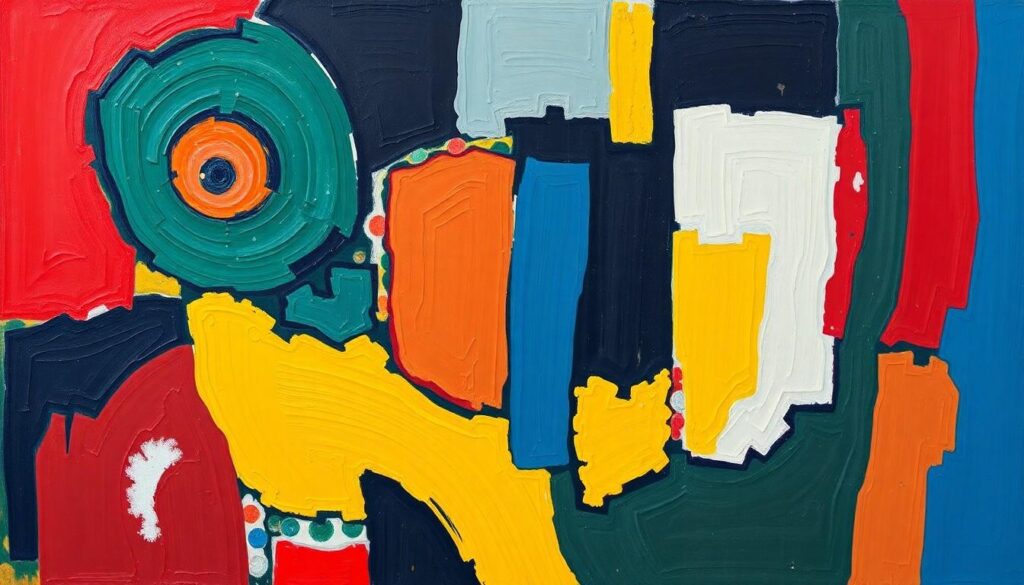
Marsden Hartley’s artistic style embraced techniques that positioned him as a forerunner of the modern art movement. His innovative approach combined personal narratives with emotional depth, allowing audiences to connect on various levels.
Use of Color
Color played a pivotal role in Hartley’s artwork. He used bold, vibrant hues to evoke feelings and convey personal experiences. Each choice in color reflected his mood and perspective, enabling viewers to engage with the underlying emotions of his pieces. Hartley’s dynamic color palettes frequently drew inspiration from nature and his surroundings, revealing cultural influences unique to his time. This thoughtful application of color helped establish connections between the artwork and its audience, fostering deeper interpretations of his messages.
Abstract Forms
Hartley’s use of abstract forms demonstrated his mastery of deconstructing traditional shapes and structures. By purposefully distorting forms, he created new spatial relationships within his compositions. This exploration encouraged viewers to perceive art beyond realistic representations, inviting them to experience emotional resonance. Abstract shapes often held symbolic significance, representing broader themes such as identity and cultural heritage. Through his distinctive visual language, Hartley inspired artists to rethink conventional artistic boundaries, contributing to the evolution of modern art.
Major Works and Their Significance
Marsden Hartley’s major works exemplify his innovative approach, contributing significantly to modern art. His paintings often reflect deep emotional connections and vibrant color palettes that enhance viewer engagement.
Key Paintings
“Painting No. 49,” created in 1914, showcases Hartley’s exploration of form and color. This work emphasizes abstraction, challenging conventional perspectives while communicating personal experiences. “The Warriors,” from 1940, conveys cultural themes through symbolic representations, merging Native American influences with modernist styles. Each piece demonstrates Hartley’s ability to evoke emotion and provoke thought, solidifying his role as a forerunner in modern art.
Themes and Subjects
Themes of identity and cultural heritage permeate Hartley’s work. He often engaged with personal narratives, using art as a means of self-expression. Nature served as a prominent subject, inspiring compositions that capture the essence of the environment around him. Additionally, Hartley’s integration of symbolism invites diverse interpretations, fueling discussions about the relationship between art and society. His work transcended traditional boundaries, steering audiences towards introspective exploration.
Historical Context
Marsden Hartley’s artistic contributions emerged during a transformative period in the early 20th century. This era experienced significant shifts in artistic expression, with movements like Cubism and Expressionism reshaping how artists approached form, color, and emotion.
The Art Movement Landscape
The modern art landscape of the early 1900s featured groundbreaking innovations. Artists explored abstraction and emotional depth, seeking alternatives to traditional representation. Movements like Futurism and Surrealism gained momentum, encouraging new methodologies. An increased emphasis on personal narratives and cultural identity became prevalent, marking a departure from past artistic conventions. Influences from European modernism significantly impacted American artists, including Hartley, contributing to a unique blend of styles. Diverse artistic expressions coalesced, offering a platform for experimentation. Hartley’s work resonated with these changes, solidifying his position as a forerunner in modern art.
Hartley’s Contemporary Artists
During Hartley’s career, he interacted with a host of notable contemporary artists. John Marin, known for his dynamic watercolors, shared an affinity for abstract expression. Georgia O’Keeffe embraced similar themes, focusing on vivid colors and natural forms. Fellow American painter Arthur Dove experimented with abstraction before Hartley, pushing boundaries in visual language. Their collective efforts contributed to a richer dialogue within the art community. Notably, Hartley’s connections with these artists fostered collaborative spirit, reinforcing shared ideals. The synergy among these contemporaries amplified Hartley’s significance in the evolving narrative of modern art.
Legacy and Recognition
Marsden Hartley’s contributions to modern art continue to influence contemporary artists and movements. His innovative techniques and emotional depth resonate with creative individuals seeking to express personal and cultural narratives.
Impact on Future Generations
Hartley inspired a myriad of future artists, encouraging them to experiment with abstraction. His exploration of bold colors and forms showcased the potential of emotional expression, enabling artists to break free from traditional constraints. Many have cited Hartley’s impact on their work, examining the layers of meaning in their art. This chain of influence includes artists from diverse background, underscoring his legacy across various styles and mediums. Through education and mentorship, he shaped the artistic landscape, forging connections that remain significant today.
Museum Exhibitions and Collections
Numerous museums recognize Hartley’s importance, housing prominent pieces in their collections. Institutions such as the Metropolitan Museum of Art and the Whitney Museum of American Art showcase his work, ensuring it remains visible to the public. These exhibitions often highlight his innovative approaches and emotional depth, allowing viewers to appreciate his artistic contributions. Special exhibitions further explore his collaborative relationships with other artists, offering insight into his influence. Engaging with Hartley’s art provides audiences the opportunity to connect with a transformative period in art history.
Marsden Hartley’s contributions to modern art cannot be overstated. His ability to blend abstraction with emotional depth redefined artistic expression during a pivotal time in history. By challenging traditional norms and embracing vibrant colors and personal narratives, he opened new avenues for interpretation and connection.
Hartley’s innovative techniques and exploration of cultural themes not only showcased his artistic prowess but also inspired future generations of artists to pursue their own unique visions. His legacy endures through the ongoing influence he has on contemporary art, making him a true forerunner of the modern art movement. Engaging with Hartley’s work invites a deeper appreciation for the transformative power of art in reflecting personal and societal narratives.