
Modern art isn’t just a splash of paint on a canvas; it’s a wild adventure for the senses. Imagine walking into a gallery and encountering a giant inflatable avocado or a sculpture made entirely of recycled flip-flops. It’s quirky. It’s bold. And it’s the perfect conversation starter for your next dinner party—who wouldn’t want to debate the meaning of a giant rubber duck?
What Is Cool Modern Art?
Cool modern art captures attention through its innovative techniques and imaginative concepts. This genre often challenges traditional aesthetics while sparking conversation and exploration.
Characteristics of Cool Modern Art
Cool modern art features unconventional materials, vibrant colors, and engaging forms. Often, it embraces social commentary, reflecting current issues and emotions. Artists frequently utilize technology, integrating multimedia elements into their work. Experiential interaction plays a crucial role, inviting viewers to engage with the art physically and emotionally. These characteristics create striking contrasts with classical art, emphasizing a sense of spontaneity and playfulness.
Influential Artists
Influential artists in the realm of cool modern art include Banksy, Yayoi Kusama, and Jeff Koons. Banksy’s street art conveys powerful political messages through humor and irony. Kusama’s immersive installations often showcase a theme of infinity, utilizing polka dots for a distinctive effect. Jeff Koons blurs the line between high art and consumer culture, using everyday objects to create thought-provoking pieces. Their unique styles and approaches influence emerging artists and continuously shape the modern art landscape.
Notable Cool Modern Art Movements
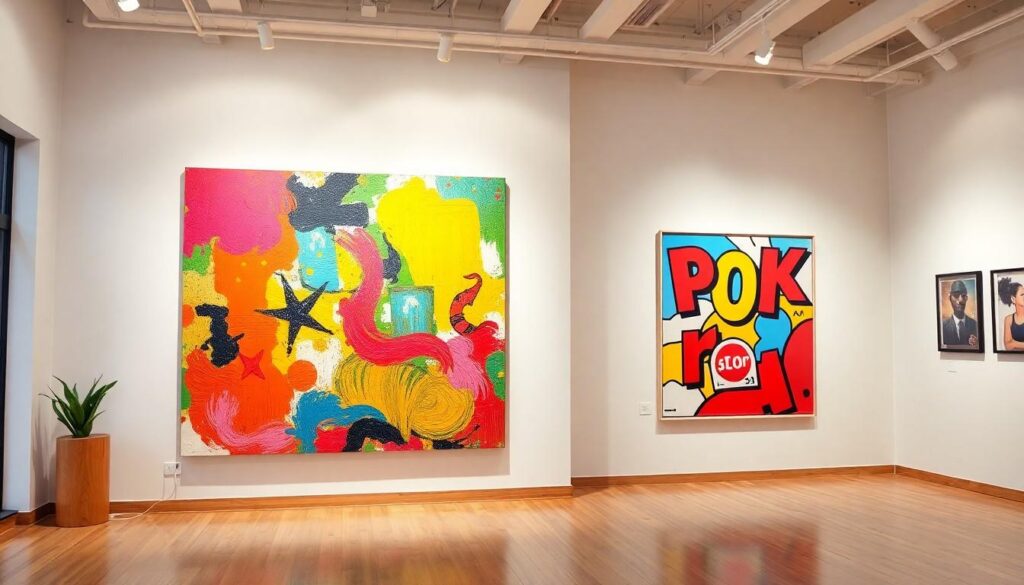
Modern art encompasses diverse movements that reflect cultural shifts and artistic innovation. Two significant movements include Abstract Expressionism and Pop Art, both pushing boundaries and redefining artistic thought.
Abstract Expressionism
Emerging in the mid-20th century, Abstract Expressionism emphasizes spontaneous artistic expression. Artists like Jackson Pollock and Mark Rothko prioritize emotion and individual experience over representation. Their works often feature bold colors, dynamic forms, and gestural brush strokes. The movement focuses on the subconscious, allowing artists to convey feelings that resonate deeply with viewers. By breaking away from traditional composition, Abstract Expressionism invites introspection and personal interpretation, making each piece unique.
Pop Art
Pop Art bursts onto the scene in the 1950s, drawing inspiration from popular culture and mass media. Figures like Andy Warhol and Roy Lichtenstein utilize consumer imagery to comment on society. Bright colors and bold lines characterize their works, often transforming everyday objects into art. The movement challenges distinctions between high and low culture, merging fine art with commercial aesthetics. Pop Art’s playful nature encourages viewers to consider the implications of consumerism and fame, making it a vivid reflection of contemporary life.
How Cool Modern Art Influences Contemporary Culture
Cool modern art significantly shapes contemporary culture across various domains. Its vibrant aesthetics and innovative concepts inspire different aspects of everyday life.
Fashion and Design
Fashion designers frequently draw inspiration from modern art. Colors, patterns, and shapes found in art installations influence clothing lines and accessory designs. For instance, vibrant hues from Yayoi Kusama’s works appear in apparel collections. Designers like Alexander Wang have incorporated elements of pop art into their clothing, reflecting a synergy between art and fashion. Unique designs often encourage collaborations between artists and fashion brands, resulting in limited edition pieces that attract attention. This intersection of art and design continues to redefine trends, merging creativity and functionality seamlessly.
Film and Media
Film and media also feel the impact of cool modern art. Cinematic techniques often borrow styles and visuals from contemporary artworks. Creators utilize artistic concepts to enhance storytelling through striking visual narratives. Directors like Wes Anderson incorporate bold color palettes and symmetry reminiscent of modern art movements, enriching viewer experiences. Documentaries about artists and their processes expose audiences to innovative forms of expression. Social media platforms showcase artists and their works, engaging a broader audience and fostering discussions about culture and society. This exchange cultivates a deeper appreciation for art and its relevance in contemporary narratives.
Where to Experience Cool Modern Art
Various venues offer immersive experiences with cool modern art. These spaces showcase innovative works, energizing creativity and inspiring discussions.
Museums and Galleries
Numerous museums and galleries curate impressive collections of modern art. The Museum of Modern Art in New York features iconic pieces from influential artists like Van Gogh and Warhol. In contrast, the Tate Modern in London houses contemporary installations that continually evolve. Local galleries often display emerging artists, providing viewers access to fresh talent and cutting-edge concepts. Artists’ exhibitions frequently rotate, ensuring that visitors encounter something new each visit.
Public Installations
Public art installations bring modern art to everyday spaces. Sites like the High Line in New York City display large-scale sculptures that engage with both the urban environment and the public. Festivals, such as Burning Man, feature temporary installations that invite active participation and creativity. Artworks in parks and city squares often encourage interaction, allowing passersby to connect with the art physically. These installations enhance everyday surroundings, transforming mundane settings into vibrant artistic experiences.
Cool modern art continues to captivate audiences with its boldness and innovation. By pushing boundaries and challenging perceptions it sparks conversations that resonate deeply within contemporary culture. The unique materials and imaginative concepts not only engage the senses but also invite reflection on pressing societal issues.
As modern artists draw from diverse influences and movements they create a dynamic landscape that inspires both admiration and critical thought. Venues showcasing this art provide opportunities for immersive experiences that enrich the viewer’s understanding. Ultimately cool modern art plays a vital role in shaping cultural narratives and encouraging individuals to explore their interpretations of creativity.