
Step into the striking world of black and white modern art, where simplicity meets sophistication. This artistic realm challenges the notion that color is essential for beauty, proving that bold contrasts can evoke powerful emotions. With just two shades, artists create mesmerizing compositions that invite viewers to see beyond the surface.
Overview of Black and White Modern Art
Black and white modern art stands as a distinctive expression within the art world. This genre captivates audiences by relying solely on monochromatic tones to convey emotion and meaning. Simplicity defines its aesthetic, allowing bold contrasts to become the focal point of the composition. Artists employ the absence of color to challenge perceptions, pushing boundaries of creativity.
Modern art in black and white often blends various styles, including minimalism and abstraction. Minimalist pieces prioritize clean lines and geometric shapes, while abstract works might intrigue viewers with unpredictable forms. Each artist’s interpretation contributes to the ongoing dialogue in the art community, reflecting personal experiences and societal issues.
Notable figures, like Kazimir Malevich and Ellsworth Kelly, have made significant contributions to this style. Malevich’s “Black Square” demonstrated the potential of simplicity, while Kelly explored the interplay of shapes in his black and white works. These artists exemplify how the absence of color can intensify emotional responses and provoke thought.
Visual impact remains central to black and white modern art. Artists utilize contrast to create depth, drawing viewers into visual narratives. Techniques such as shading, texture, and patterns enrich the artwork, showcasing the versatility of monochrome. Whether it’s photography or painting, the boldness of this style invites contemplation.
This genre continues to inspire contemporary artists. By examining past influences, they challenge traditional norms and innovate within the constraints of black and white. Such exploration fosters a rich landscape where every piece resonates uniquely with each observer, reinforcing the idea that beauty need not rely on vibrant hues.
Key Characteristics
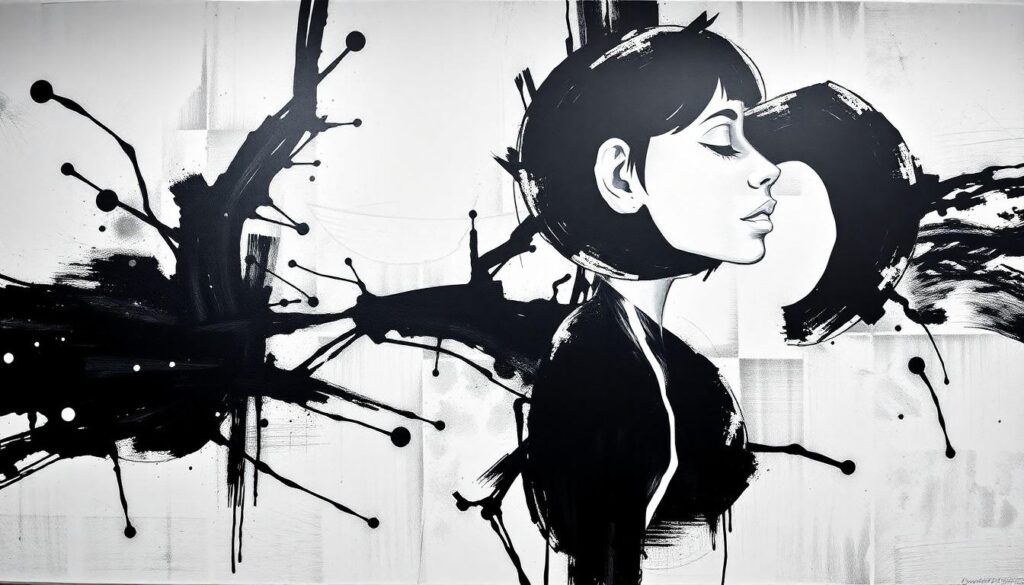
Black and white modern art features distinct characteristics that define its unique aesthetic. This genre relies heavily on various elements that contribute to its visual and emotional power.
Use of Contrast
Contrast plays a vital role in black and white modern art. Bold differences between light and dark areas create dynamic compositions. Artists often leverage stark contrasts to emphasize shapes, lines, and textures. Gradations in shading draw attention to specific details, allowing viewers to experience depth. The interplay between black and white challenges the eye, inviting individuals to explore the relationships within the work. Minimalism and abstraction frequently showcase contrast as a central theme, highlighting the strength of simplicity. These techniques foster a dialogue between contrasting elements, enhancing overall visual impact.
Emotional Expression
Emotional expression thrives in black and white modern art. Artists use monochromatic tones to convey complex feelings without color distractions. Joy, sadness, or tension emerges clearly through the use of stark contrasts and subtle shading. The absence of color fosters introspection, prompting viewers to engage with their own emotions. Textures and patterns contribute significantly to this expressive potential, as varied surface qualities evoke different responses. Artists’ intentions manifest through these choices, allowing for profound connection and resonance with the audience. Each piece becomes an invitation to explore deeper emotional landscapes.
Prominent Artists
Black and white modern art features several influential artists who shape the genre. Each artist brings a unique vision and style to their work.
Notable Works
Kazimir Malevich’s “Black Square” defines abstraction, showcasing the power of simplicity. Ellsworth Kelly’s “Black and White” exemplifies the interplay of form and space, engaging viewers with contrasting shapes. Additionally, Frank Stella’s “Eccentric Polygons” pushes boundaries of geometry, creating dynamic visual experiences. These pieces highlight the capacity for emotional depth within monochrome palettes.
Artistic Influences
Minimalism significantly impacts black and white modern art, prioritizing simplicity over complexity. Abstract expressionism also plays a crucial role, encouraging artists to convey feelings through form. Furthermore, constructivism contributes ideas of structure and composition, influencing the way artists arrange shapes and lines. Each of these movements deepens the understanding and appreciation of monochromatic art, enriching contemporary practices.
Cultural Impact
Black and white modern art significantly influences cultural discourse and artistic evolution. This genre invites critical engagement and appreciation, encouraging new perspectives on form and emotion.
Reception Among Critics
Critics often praise black and white modern art for its commitment to simplicity and profound depth. Many highlight how artists like Kazimir Malevich and Frank Stella utilized monochromatic palettes to challenge traditional aesthetics. Reviewers note that the absence of color sharpens focus on composition and structure. Pieces such as Malevich’s “Black Square” provoke thought about artistic intent and viewer interpretation. Critics also observe that the stark contrasts in these works evoke powerful emotional responses, enhancing viewer connection. The dialogue around this genre consistently evolves, with critics recognizing its lasting relevance in contemporary discussions about art.
Influence on Contemporary Art
Contemporary artists draw inspiration from black and white modern art, continually reshaping its principles. Many adopt minimalist techniques, favoring simplicity while exploring complex themes. Artistic practices that embrace monochromatic tones often draw from the emotional expressions of earlier works. The influence of abstraction remains evident, as artists experiment with shape and texture. New genres emerge, blending black and white elements with digital media and installations. Movements like conceptual art leverage the stark beauty of monochromatic art, pushing boundaries in visual communication. This ongoing dialogue ensures that black and white modern art retains a vital role in shaping current artistic landscapes.
Black and white modern art continues to captivate and inspire. Its ability to convey deep emotions through simplicity allows for a unique connection between the artwork and the viewer. By focusing on contrast and texture, artists challenge traditional norms and invite contemplation.
This genre’s relevance persists as contemporary artists explore new themes and techniques while honoring its rich history. The absence of color not only emphasizes form but also encourages introspection, making each piece a profound experience. As black and white modern art evolves, it remains a powerful medium for artistic expression and critical engagement in today’s art world.