
Beyaz Şarap, Turkey’s elegant white wine tradition, offers a refreshing escape from the ordinary. Crafted from indigenous grapes grown in the sun-drenched vineyards along the Aegean coast, these crisp libations capture the essence of Mediterranean terroir in every sip.
What Is Beyazzsarap?
Beyazzsarap, correctly spelled “Beyaz Şarap,” translates directly to “white wine” in Turkish. This delicate alcoholic beverage represents a significant part of Turkey’s growing wine culture, made exclusively from white grape varieties. Turkish winemakers produce Beyaz Şarap using both indigenous grapes like Narince, Emir, and Sultaniye as well as international varieties such as Sauvignon Blanc and Chardonnay.
The production process follows traditional white wine methods, where grapes are crushed and the juice is fermented without skin contact to maintain the wine’s clear, pale yellow to gold appearance. Fermentation typically occurs at controlled temperatures between 50-65°F to preserve the delicate aromatic compounds.
Turkish Beyaz Şarap offers distinctive flavor profiles reflecting the country’s unique terroir. Coastal region wines from areas like Thrace and the Aegean showcase mineral notes with citrus undertones, while Central Anatolian varieties present more floral characteristics with hints of apple and pear.
Modern Turkish wineries have embraced contemporary techniques while honoring ancient winemaking traditions dating back thousands of years. The result creates a unique expression of white wine that connects Turkey’s historical viniculture with present-day innovations.
Beyaz Şarap pairs exceptionally well with Turkish cuisine, complementing seafood dishes, mezes, and white cheeses. The wine’s crisp acidity and refreshing character make it particularly popular during hot summer months along Turkey’s Mediterranean and Aegean coasts.
The History and Origins of Beyazzsarap
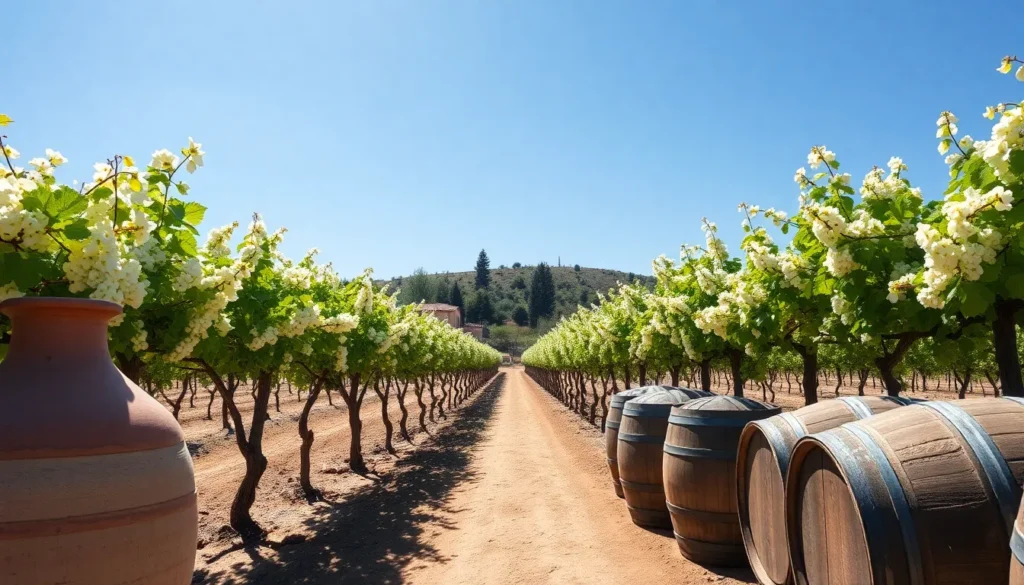
Turkish white wine, known as Beyaz Şarap, traces its roots back thousands of years to ancient Anatolia. Archaeological evidence suggests wine production in this region began as early as 4000 BCE, establishing Turkey as one of the world’s oldest wine-producing territories.
Traditional Production Methods
Traditional Beyaz Şarap production techniques evolved over centuries, with methods passed down through generations of Turkish winemakers. Ancient Anatolian vintners fermented white grapes in clay amphoras buried underground to maintain consistent temperatures during fermentation. These early producers recognized that removing grape skins before fermentation created clearer, more delicate wines with distinct flavor profiles. Hittite and Phrygian civilizations further refined these techniques, introducing wooden barrels for aging and developing the practice of pressing grapes immediately after harvest. Ottoman-era winemaking incorporated innovations from conquered territories while maintaining distinctly Turkish characteristics. Local winemakers traditionally relied on indigenous yeasts for fermentation, creating wines that truly expressed their regional terroir. Many family-owned vineyards in Turkey still employ these time-honored techniques alongside modern practices, preserving this rich heritage of white wine production.
Popular Types of Beyazzsarap
Turkish white wines offer remarkable diversity across the country’s varied wine regions. Each region produces distinctive Beyaz Şarap styles that reflect local terroir, traditional techniques, and grape varieties unique to Turkey’s winemaking landscape.
Regional Varieties
Turkey’s geographical diversity creates distinct white wine expressions across its major wine-producing regions. Thrace (Trakya) vineyards yield crisp, mineral-forward whites from Sauvignon Blanc and native Beyaz varieties with elegant acidity and citrus notes. Aegean coastal regions produce aromatic whites from Sultaniye and Bornova Misketi grapes, featuring pronounced floral characteristics and hints of Mediterranean herbs. Cappadocia’s high-altitude vineyards specialize in Emir grapes, creating structured whites with distinctive volcanic minerality and green apple flavors. Eastern Anatolia features the indigenous Narince grape, producing complex whites with stone fruit profiles and honeysuckle aromas. Central Anatolian whites showcase remarkable aging potential from Hasandede grapes, developing nutty, complex flavors while maintaining freshness.
Flavor Profile and Tasting Notes
Beyaz Şarap exhibits distinct flavor characteristics that vary significantly across Turkey’s diverse wine regions. These Turkish white wines offer a remarkable range of sensory experiences, from crisp mineral notes to rich fruit-forward profiles, reflecting their unique terroir and production methods.
Food Pairing Suggestions
Turkish Beyaz Şarap creates exceptional culinary partnerships with both traditional Turkish cuisine and international dishes. Fresh seafood dishes particularly shine alongside coastal-region whites, with grilled sea bass and mezgil (hake) absorbing the wine’s citrus notes. Mediterranean mezzes like hummus, cacık, and dolma complement the fruity undertones in most Turkish white varieties. Traditional cheese plates featuring beyaz peynir (feta-style cheese) and tulum create balanced flavor combinations with higher-acidity Beyaz Şarap. Vegetable-forward dishes including zeytinyağlı (olive oil-based) preparations match beautifully with the floral notes in Cappadocian whites. Light poultry dishes, especially those prepared with herbs and lemon, enhance the subtle complexities of Narince-based wines from Eastern Anatolia. For dessert, try pairing sweeter Beyaz Şarap styles with traditional Turkish pastries like baklava or şekerpare for a delightful contrast.
How to Serve Beyazzsarap
Serving Beyaz Şarap correctly enhances its delicate flavors and aromatic profiles. The proper temperature, glassware, and serving techniques significantly impact the overall tasting experience of Turkish white wines.
Ideal Temperature and Glassware
Beyaz Şarap tastes best when served between 45-50°F (7-10°C), allowing its complex flavors to fully express themselves without being muted by excessive coldness. Light, crisp varieties like those made from Emir grapes benefit from the cooler end of this range, while fuller-bodied options produced from Narince grapes show their character better at slightly warmer temperatures. Tulip-shaped white wine glasses with narrow openings concentrate the wine’s aromas and direct them toward the nose. Crystal glassware enhances the visual appeal of Beyaz Şarap, showcasing its pale yellow to golden hues against the transparent surface. Stemmed glasses prevent hand heat from warming the wine prematurely, maintaining the ideal serving temperature throughout the tasting experience. Many Turkish wine enthusiasts use traditional Turkish tea glasses (“kadeh”) for casual settings, adding an authentic cultural touch to the serving presentation.
Health Benefits and Nutritional Value
Beyaz Şarap offers several health advantages when consumed in moderation as part of a balanced lifestyle. Turkish white wine contains antioxidants like flavonoids that help combat oxidative stress and reduce inflammation in the body. Research indicates that moderate consumption of white wine may support heart health by increasing HDL (good) cholesterol levels and improving blood vessel function.
The nutritional profile of Beyaz Şarap is relatively modest, with an average glass (150ml) containing approximately:
| Nutrient | Amount |
|---|---|
| Calories | 120-130 |
| Carbohydrates | 3-4g |
| Sugar | 1-2g |
| Protein | <1g |
| Fat | 0g |
Turkish white wines typically contain beneficial compounds such as resveratrol, though in lower concentrations than red varieties. Resveratrol has been linked to longevity and decreased risk of chronic diseases. Many Beyaz Şarap varieties from high-altitude Turkish vineyards contain higher levels of polyphenols due to the grapes’ response to intense sunlight exposure.
Indigenous Turkish grape varieties like Narince and Emir contribute unique phytonutrients not found in international varietals. These compounds have demonstrated anti-inflammatory properties in preliminary studies. The fermentation process creates probiotics that support gut health and digestion when wine is consumed alongside meals.
Beyaz Şarap’s moderate alcohol content (usually 11-13%) offers stress-reduction benefits when enjoyed responsibly. Turkish white wines from volcanic regions like Cappadocia contain trace minerals including potassium, magnesium, and calcium absorbed from the mineral-rich soils. Modern production methods preserve these natural nutrients while minimizing sulfites and other additives that might diminish health benefits.
Best Beyazzsarap Brands to Try
Turkey’s wine landscape boasts exceptional Beyaz Şarap producers who combine traditional methods with modern expertise. Kavaklıdere Winery stands as Turkey’s oldest commercial winery, offering outstanding white wines from their Ankara and Cappadocia vineyards, particularly their acclaimed Narince and Emir varietals. Doluca, another pioneering Turkish winery established in 1926, produces the popular DLC collection featuring crisp, aromatic whites that exemplify Turkish terroir.
Vinkara Winery specializes in indigenous grape varieties, creating award-winning whites from Narince grapes with distinctive apple and pear notes. Urla Winery, located on the Aegean coast, blends international techniques with local traditions to produce mineral-rich whites that capture the region’s maritime influence. Paşaeli focuses on small-batch production and reviving forgotten native grapes, offering complex whites with exceptional balance and character.
Kayra Wines combines centuries-old winemaking traditions with contemporary technology, producing both accessible everyday whites and premium reserve options. Likya Wines from the Mediterranean coast crafts unique whites reflecting their microclimate, with standout offerings featuring Sultaniye grapes. Suvla’s eco-friendly approach yields organic whites from their Gallipoli Peninsula vineyards, particularly their exceptional Sauvignon Blanc and Chardonnay blends.
Corvus Vineyard on Bozcaada Island produces distinctive whites influenced by Aegean breezes, creating wines with remarkable minerality and salinity. Arcadia Vineyards in Thrace focuses on sustainable viticulture, crafting elegant whites with pronounced floral notes and crisp acidity. These producers represent the pinnacle of Turkish white wine artistry, offering wine enthusiasts an authentic taste of Turkey’s diverse viticultural heritage.
Conclusion
Beyaz Şarap stands as a testament to Turkey’s rich viticultural heritage spanning millennia. This elegant white wine showcases the country’s diverse terroir through indigenous grape varieties like Narince Emir and Sultaniye alongside international favorites.
From the mineral-forward wines of Thrace to the aromatic offerings of the Aegean coast Turkish white wines deliver distinctive profiles that perfectly complement local cuisine. The balance of traditional methods and modern innovation continues to elevate the quality and recognition of these wines on the global stage.
Whether enjoyed in a tulip-shaped glass or traditional Turkish tea cup Beyaz Şarap offers more than refreshment—it provides a sensory journey through one of the world’s oldest wine regions. The health benefits and nutritional value simply add to the appeal of this remarkable Turkish treasure.