
In a world where bland walls are the ultimate crime against aesthetics, modern Islamic wall art swoops in like a superhero ready to save the day. Gone are the days of drab decor and uninspired spaces. Instead, vibrant patterns and intricate designs breathe life into homes, creating a feast for the eyes that’s as rich as a cup of Turkish coffee.
Overview of Modern Islamic Wall Art
Modern Islamic wall art reflects a blend of tradition and contemporary design. This art form incorporates geometric patterns, calligraphy, and vibrant colors, creating striking visual effects. Patterns often draw inspiration from nature, showcasing intricate details that captivate viewers.
Many artists embrace both historical motifs and modern aesthetics to revitalize spaces. They utilize materials like canvas, wood, and metal, enhancing the versatility of wall art options. Islamic wall art serves as a conversation starter, bringing cultural richness to homes.
Various forms exist, including framed prints and large murals that cover significant wall areas. Unique textures add depth while reflecting the artist’s personal style. Homeowners can select pieces that resonate with their tastes, from minimalist designs to more elaborate compositions.
The global appeal of this art form allows it to seamlessly transition into different decor styles, whether contemporary, traditional, or eclectic. Collectors often appreciate limited edition prints that showcase artist expertise and creativity.
Exhibitions and online marketplaces have contributed to increased visibility, making modern Islamic wall art accessible to a wider audience. With its ability to inspire and uplift environments, this art form continues to evolve, merging cultural heritage with modern design sensibilities.
Key Characteristics of Modern Islamic Wall Art
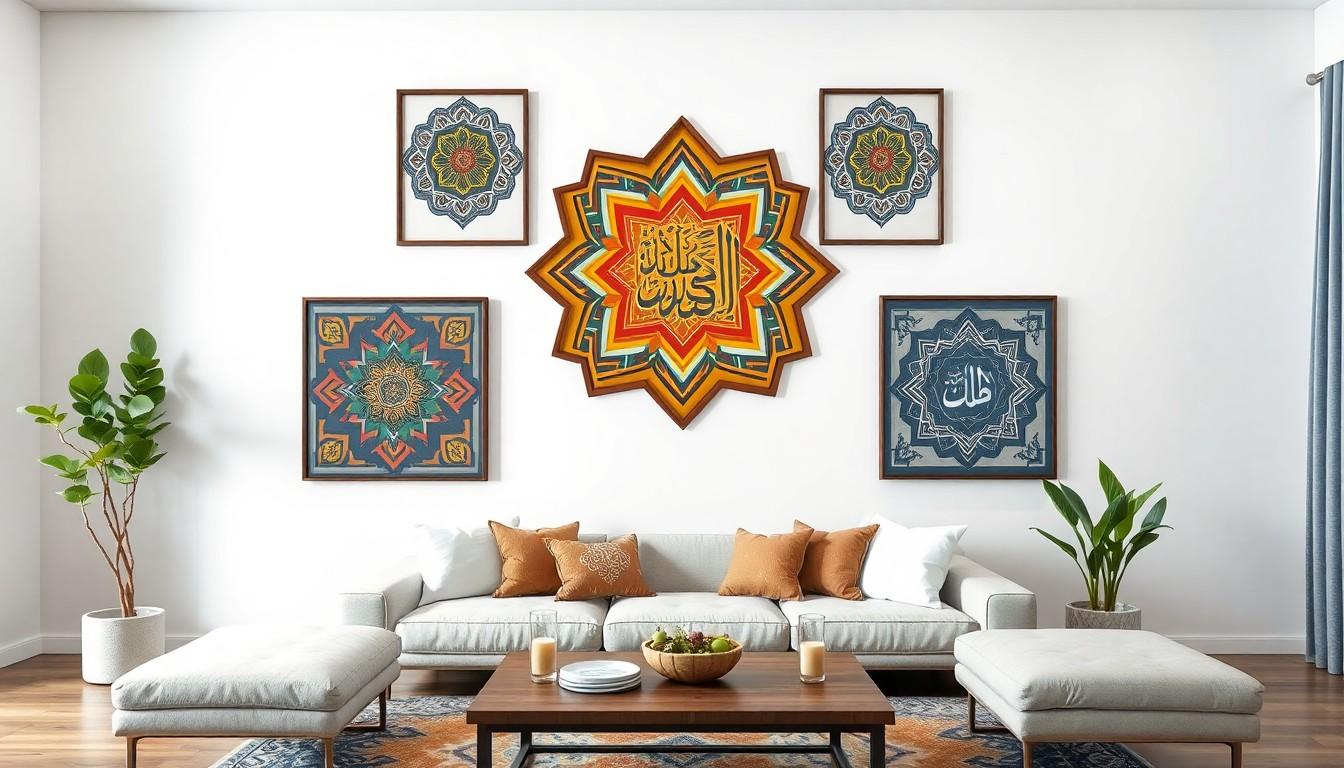
Modern Islamic wall art showcases distinctive features that blend tradition and contemporary aesthetic appeal. Geometric patterns and calligraphy represent key elements, providing a visual language steeped in cultural significance.
Use of Geometric Patterns
Geometric patterns form the backbone of modern Islamic wall art. Artists employ intricate shapes and symmetrical designs to create mesmerizing compositions. These patterns evoke a sense of harmony and balance, often reflecting the beauty of nature and the universe. Frequent use of repeating motifs contributes to the depth of the art. Materials like canvas or acrylic enhance the visual impact, allowing for diverse interpretations. Some artists fuse traditional motifs with modern techniques, demonstrating artistic versatility. The result is a contemporary twist on ancient designs that captivates viewers.
Incorporation of Calligraphy
Calligraphy stands out as a prominent feature in modern Islamic wall art. Artists skillfully render Arabic script, infusing pieces with spiritual significance. Words from the Quran or poetry often lend a profound message, transforming art into a source of inspiration. Integrating calligraphy with other design elements creates a dynamic visual experience. This combination invites the observer to engage with the art on multiple levels, blending aesthetics with meaning. Innovative techniques elevate traditional calligraphy into modern masterpieces, appealing to a wide audience. Pieces vary from minimalist to elaborate, catering to diverse tastes while maintaining cultural authenticity.
Popular Styles and Themes
Modern Islamic wall art embraces a variety of styles and themes, reflecting the dynamic evolution of this art form. Diverse expressions enhance home decor, allowing for personal interpretation and cultural resonance.
Abstract Interpretations
Abstract interpretations of modern Islamic wall art often showcase vibrant colors and dynamic shapes. Non-representational designs challenge traditional perceptions, focusing on emotion rather than depiction. Artists use bold brush strokes to convey a sense of movement, creating pieces that evoke feelings and provoke thought. Variations in scale provide options for different spaces, allowing smaller canvases to complement larger murals. Each artwork tells a unique story, inviting viewers to explore layers of meaning that transcend cultural boundaries.
Cultural Influences
Cultural influences significantly shape modern Islamic wall art, drawing from a rich heritage of diverse traditions. Elements from Middle Eastern and North African cultures often appear, combined with contemporary concepts. Patterns inspired by nature connect viewers to the world around them, fostering a sense of tranquility. Islamic art history informs the use of intricate motifs, allowing artists to pay homage to the past while adapting styles for today’s audience. This blend of old and new promotes an understanding of multiculturalism, enriching aesthetic experiences across various environments.
Choosing the Right Pieces for Your Space
Selecting the right modern Islamic wall art enhances the overall aesthetic of a home. Various factors influence these choices, including color, design, size, and placement.
Considerations for Color and Design
Color significantly impacts the ambiance of a room. Bold hues energize spaces, while softer tones create a calming atmosphere. Patrons often choose colorful geometric patterns or intricate calligraphy, reflecting personal tastes and emotional connections. Designs that incorporate nature-inspired elements can evoke a sense of serenity. Specific color combinations can harmonize with existing decor, ensuring cohesive visuals throughout the space.
Sizing and Placement Tips
Sizing plays a crucial role in making a statement. Large murals can transform focal walls, dominating the visual landscape and drawing attention. Smaller pieces work well in clusters, allowing for creative arrangements that showcase varied styles. He or she should consider furniture height and wall dimensions when deciding placement. Optimal positioning can enhance visibility, such as above sofas or in entryways. Grouping artworks together fosters a gallery feel and amplifies impact.
Modern Islamic wall art serves as a powerful medium for personal expression and cultural connection. Its vibrant patterns and intricate designs not only elevate home decor but also foster a deeper appreciation for rich traditions. By seamlessly blending historical motifs with contemporary aesthetics, this art form creates a unique ambiance that resonates with diverse audiences.
Choosing the right piece can transform a living space into a sanctuary of beauty and tranquility. Whether opting for bold murals or delicate prints, individuals can find inspiration in the variety of styles available. Ultimately, modern Islamic wall art enriches environments while inviting viewers to engage with its profound cultural narratives.