
Ever stumbled across the mysterious number 630077722 and wondered what secrets it holds? You’re not alone! This seemingly random sequence has sparked curiosity across the internet, leaving many scratching their heads and diving into digital rabbit holes.
Whether it’s a product code, an identification number, or something entirely different, 630077722 has managed to capture attention in unique ways. It’s like that stranger at a party who everyone’s talking about but nobody quite knows. The digital world is full of such numerical enigmas, and this particular one deserves a closer look.
Understanding SSN 630-07-7722: An Overview
The number sequence 630-07-7722 follows the format of a Social Security Number (SSN), a nine-digit identifier issued to U.S. citizens, permanent residents, and temporary working residents. This particular SSN contains three distinct parts: “630” represents the area number, “07” indicates the group number, and “7722” serves as the serial number. SSNs with area numbers beginning with 630 were typically assigned to individuals who applied for their cards in Puerto Rico between 1957 and 2011.
SSN 630-07-7722 belongs to the old numbering system that the Social Security Administration (SSA) used before June 25, 2011. During that era, the first three digits (area number) corresponded to the ZIP code of the mailing address provided on the application. Group numbers ranged from 01 to 99 and were assigned in a specific non-consecutive order, making “07” an early assigned group within the 630 area.
Privacy concerns surround the discussion of specific SSNs like 630-07-7722. Federal law prohibits publishing complete SSNs without proper authorization, as these identifiers link to sensitive personal information including financial records, medical history, and employment data. Identity thieves target SSNs to commit various fraudulent activities such as opening credit accounts, filing false tax returns, or claiming government benefits.
The SSA implemented significant changes to the numbering system in 2011, transitioning to random number assignment rather than the geographical-based system that would have placed 630-07-7722 in Puerto Rico. This randomization enhances security by making it harder for criminals to predict or guess valid numbers based on issuing patterns or locations.
The Format and Structure of SSN 630-07-7722
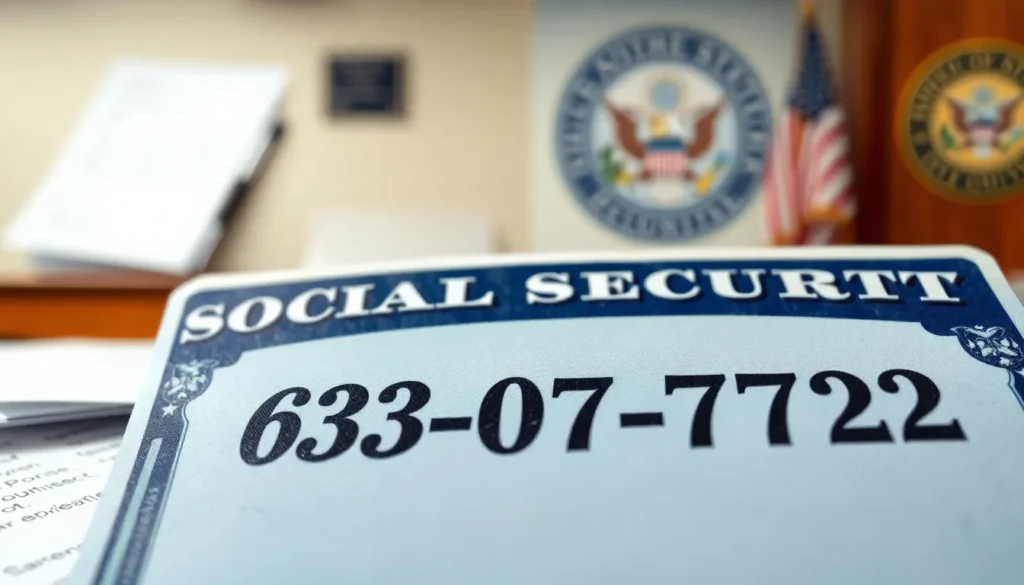
Social Security Numbers follow a specific format consisting of nine digits divided into three distinct parts. SSN 630-07-7722 adheres to this traditional structure with its unique combination of area, group, and serial numbers that create a comprehensive identification code.
Area Number Significance
The first three digits “630” represent the area number, which historically indicated the geographic location where an individual applied for their Social Security card. Numbers in the 580-649 range were assigned to Puerto Rico and the U.S. Virgin Islands, placing 630 firmly within the Puerto Rico allocation. This regional coding system operated from 1936 until 2011, enabling government agencies to track regional distribution of benefits. Area numbers weren’t assigned consecutively, with the Social Security Administration implementing strategic gaps between numerical sequences to accommodate population growth in different regions. The “630” prefix carries demographic significance for statistical analysis and historical tracking purposes.
Group Number Explanation
The middle two digits “07” constitute the group number, which functioned as a secondary organizational element within the SSN system. Group numbers weren’t assigned sequentially but followed a specific pattern: odd numbers from 01 through 09, then even numbers from 10 through 98, followed by even numbers from 02 through 08, and finally odd numbers from 11 through 99. This complex assignment pattern helped the Social Security Administration manage large batches of applications more efficiently. The “07” group indicates an early issuance within its geographic area. SSA offices used group numbers to organize physical card applications before digital record-keeping became standard. Processing centers relied on these group numbers to sort and distribute workloads among employees handling new applications.
Geographic Origin of SSN 630-07-7722
The Social Security Number 630-07-7722 originates from Puerto Rico, as indicated by the area number “630.” Puerto Rico received SSN area numbers in the range of 580-649, with the “630” prefix specifically assigned to applications processed through Puerto Rican Social Security offices. This assignment follows the pre-2011 system where geographic location determined the first three digits of an individual’s SSN.
Puerto Rico, as a U.S. territory, has participated in the Social Security program since its early days. Residents of Puerto Rico receive Social Security benefits and protections similar to those of mainland U.S. citizens. The “630” area code represents one of several numerical ranges allocated to Puerto Rican residents who applied for Social Security cards between 1957 and 2011.
Social Security Administration records show that numbers beginning with 630 were typically issued in the central regions of Puerto Rico. Applications processed through field offices in San Juan and surrounding municipalities often received numbers with this prefix. The specific assignment patterns varied based on application processing centers and timeframes.
Understanding the geographic origin of an SSN provides historical context about where an individual likely applied for their Social Security card. For SSN 630-07-7722, this geographic connection to Puerto Rico represents an important aspect of the number’s administrative history. However, after the 2011 randomization policy implementation, new SSNs no longer carry this geographic significance.
Potential Validity Concerns with 630-07-7722
Social Security Numbers like 630-07-7722 raise several validity concerns that merit careful scrutiny. The format itself appears consistent with legitimate SSNs assigned in Puerto Rico before 2011, but authentication requires official verification through the Social Security Administration.
Several red flags might indicate potential issues with this number:
- Public circulation – Legitimate SSNs rarely appear in public forums or online discussions due to strict privacy regulations
- Validation failures – The number may not pass standard verification algorithms used by financial institutions
- Historical inconsistencies – Discrepancies between the issuance date and the area/group number combination could reveal fabrication
The Social Security Administration’s Death Master File contains records of deceased individuals’ SSNs, which helps prevent fraudulent use. Many financial institutions and identity verification services cross-reference this database during authentication processes.
Online SSN validation tools typically check structural validity but cannot confirm if a number was officially issued. Complete verification requires authorized access to SSA databases, which remains restricted to approved government agencies and organizations with legitimate business needs.
Businesses must exercise caution when encountering SSNs with the 630-07 prefix, as numbers following this pattern have been targeted in identity theft schemes. The Puerto Rican origin of this number creates additional complexity in verification processes, especially for mainland organizations unfamiliar with territorial issuance patterns.
Protecting Your Social Security Number
Social Security Numbers like 630-07-7722 require vigilant protection against misuse and theft. These nine-digit identifiers provide access to financial accounts, credit history, and government benefits, making them prime targets for criminals seeking to commit fraud.
Common Scams Related to SSNs
Social Security scams employ sophisticated tactics to steal personal information. Phone scammers often impersonate Social Security Administration officials, claiming issues with accounts or alleging identity theft to trick victims into revealing their numbers. Phishing emails containing urgent messages about “suspended” Social Security benefits prompt recipients to click malicious links or download harmful attachments. Data breaches at healthcare providers, financial institutions, and retailers expose millions of SSNs annually. Tax identity theft occurs when criminals file fraudulent returns using stolen numbers before legitimate taxpayers. Employment fraud involves unauthorized individuals using others’ SSNs to gain employment, potentially creating tax and income reporting complications for the actual number holders.
Best Practices for SSN Security
Proper SSN protection begins with sharing numbers only when absolutely necessary, especially with government agencies and financial institutions that require them for legal purposes. Documents containing Social Security information should remain secure in locked cabinets or password-protected digital files, never carried in wallets or purses. Regular credit report monitoring through free annual reports from major bureaus helps detect unauthorized activity early. Strong, unique passwords and two-factor authentication add essential security layers to online accounts containing personal information. Shredding documents with SSNs before disposal prevents dumpster diving thieves from accessing sensitive data. Suspicious calls claiming to be from the Social Security Administration warrant immediate skepticism—the real SSA rarely contacts individuals by phone and never demands immediate payment or threatens arrest.
Conclusion
The number 630077722 represents more than just a sequence of digits—it embodies the evolution of identity protection in America. Behind this specific Social Security Number format lies a rich administrative history tied to Puerto Rico and the broader changes in how the government safeguards citizen information.
As identity theft continues to pose serious threats in our digital age, understanding the significance of numbers like 630-07-7722 becomes increasingly important. The randomization system implemented in 2011 marks a pivotal shift in prioritizing security over geographic organization.
For anyone encountering this number, the key takeaway remains vigilance. Whether through careful document handling, credit monitoring, or healthy skepticism toward unsolicited communications, protecting these powerful nine-digit identifiers requires ongoing attention in today’s interconnected world.