
Street art font is more than just letters on a wall; it’s a vibrant expression of culture, creativity, and rebellion. Imagine strolling through an urban landscape where each letter tells a story, and every curve and angle sparks inspiration. This isn’t just graffiti; it’s a visual feast that transforms mundane spaces into galleries of imagination.
Overview of Street Art Font
Street art font signifies a vibrant fusion of typography and urban culture. Each letter captures the essence of the environment, reflecting the thoughts and feelings of the artist and community. This distinctive form of lettering thrives in public spaces, where it transforms ordinary walls into canvases. Various styles exist, ranging from bold graffiti scripts to intricate block letters, showcasing the artist’s unique identity.
Urban settings inspire many street art fonts. They incorporate playful lines, colors, and shapes that resonate with the surrounding architecture. As such, these fonts serve not only as written communication but also as powerful visual statements. In many instances, they challenge social norms and provoke thought, encouraging viewers to engage with the message.
Designers often draw from street art fonts for commercial use. These fonts add an edgy and contemporary feel to various projects, such as branding, posters, and merchandise. Brands looking to connect with youthful audiences frequently adopt these styles, merging artistic fervor with marketing strategies.
Cultural significance underscores street art fonts as well. They act as a voice for marginalized communities, reflecting social issues and local narratives. Artists utilize this form to evoke emotions and catalyze change, making street art fonts a vehicle for activism.
Street art font encompasses more than design. It embodies culture, creativity, and social commentary, inviting exploration across urban landscapes. Each element contributes to a broader conversation that transcends traditional boundaries of art and writing.
History of Street Art Fonts
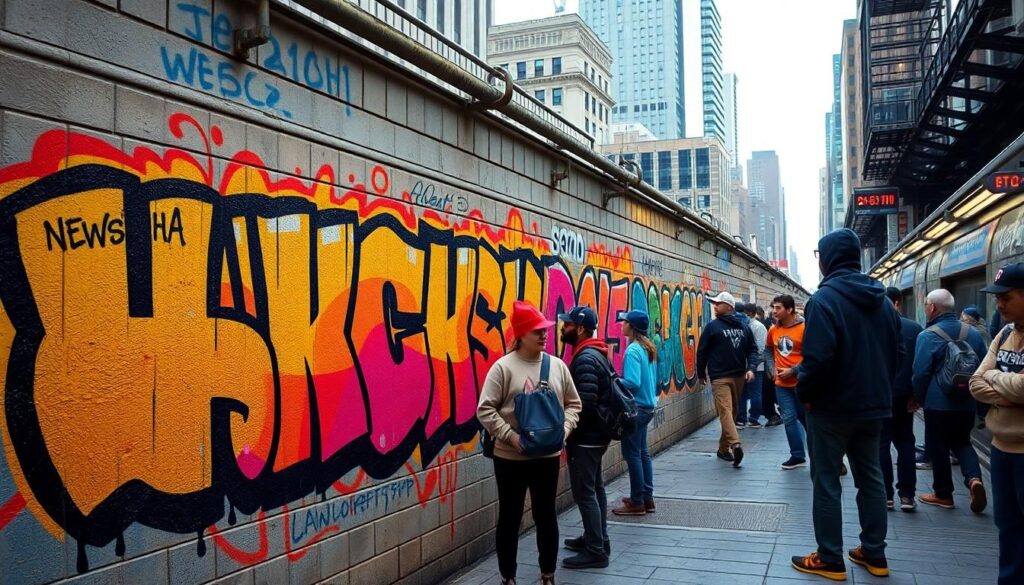
Street art fonts trace a rich history deeply intertwined with urban culture. These fonts emerged from the graffiti movements of the late 20th century, evolving into a vibrant art form that conveys powerful messages.
Origins and Evolution
Graffiti’s roots lie in 1960s and 1970s New York, flourishing in subway stations and on city walls. Artists used spray paint to create bold lettering, layering colors to attract attention. By the 1980s, street art gained mainstream visibility, with iconic styles like bubble letters and wildstyle gaining popularity. Decades passed, and street art fonts continued to evolve, incorporating digital design elements and global influences from various cultures. Artists began experimenting with typography by blending traditional writing with complex graphic elements, leading to innovative styles that challenge conventional perspectives on urban lettering.
Influential Artists
Prominent figures shaped the landscape of street art fonts. Keith Haring’s playful typography brought social commentary to life, making art accessible to the masses. Jean-Michel Basquiat merged graffiti and fine art, pioneering a unique visual language that resonated globally. Banksy, known for his provocative pieces, uses typography to enhance his messages and challenge societal norms. Contemporary artists like Shepard Fairey have redefined street art fonts, blending images with text to create iconic designs that connect with audiences. Each artist contributes to the evolution of street art fonts, pushing creative boundaries and maintaining the medium’s relevance in modern urban environments.
Characteristics of Street Art Fonts
Street art fonts embody creativity and reflect urban culture. Each element adds depth to the visual experience, resonating with diverse audiences.
Unique Styles and Techniques
Street art fonts exhibit diverse styles and techniques. Bold graffiti scripts capture attention with expressive strokes. Intricate block letters show precision and artistic flair. Various typography forms blend colors, shapes, and textures to enhance visual impact. Street artists frequently innovate with layering techniques, combining elements for added depth. These unique forms encourage experimentation and personalization, making each piece distinct. Techniques like stenciling and freehand writing further diversify this expressive typography.
Cultural Significance
Cultural significance characterizes street art fonts as vital voices for marginalized communities. These fonts often highlight social issues and local narratives through relatable expressions. They act as powerful tools for activism, reflecting the emotions and struggles of urban life. Street art serves as a platform for community engagement, transforming public spaces into cultural dialogues. Artists contribute to collective identity, fostering connections between diverse populations. The messages encapsulated in these fonts resonate deeply, sparking conversations around identity, belonging, and change.
Popular Street Art Fonts
Street art fonts capture urban creativity and cultural expressions. Various designs serve as a testament to artistry in public spaces.
Examples and Usage
Noteworthy examples include fonts like “Graffiti Font” which mimics classic aerosol lettering. “Wildstyle” showcases elaborate, interlocking letters often seen on subway trains. “Ransom Note” takes inspiration from collages, presenting a playful, eclectic vibe. Each font resonates with urban narratives, appealing to designers for branding or merch. Street art fonts find usage in projects that require an edgy aesthetic, enhancing visual communication in advertisements, posters, and social media graphics.
Where to Find Them
Popular platforms offer extensive collections of street art fonts. Websites like Google Fonts provide free options suitable for various creative projects. Creative Market features premium designs crafted by contemporary typographers. Designers can explore Font Squirrel for quality, handpicked street fonts available at no cost. Many graphic design applications, such as Adobe Illustrator, also include built-in street art fonts, allowing easy access for creatives within their workflow.
Street art fonts represent a powerful blend of creativity and cultural expression. They transform urban landscapes into vibrant narratives that resonate deeply with communities. By capturing the essence of rebellion and individuality these fonts not only enhance artistic expression but also serve as vital tools for social commentary.
Their evolution from graffiti roots to mainstream design showcases their enduring appeal. As designers continue to draw inspiration from this dynamic typography the impact of street art fonts will only grow. They invite everyone to engage with urban culture and challenge perceptions. Embracing street art fonts means celebrating a unique form of artistry that speaks volumes in every letter.